
First cold night of the fall. You’re in Toms River or Bayville, there’s firewood stacked by the back door, and you’re about to light the fireplace for the first time since March. Then you remember. Nobody’s looked up that chimney in a while. Maybe a couple of years. Maybe ever, if you just bought the house.
So you go to book a cleaning. What actually happens when the crew shows up?
A professional chimney cleaning has four basic steps. The technician looks the chimney over for blockages and damage. Tarps go down and the fireplace or stove gets sealed off so soot stays put. Brushes and rods scrape the soot and creosote off the inside of the flue. Then a high-powered vacuum pulls the debris and ash out of the firebox and hearth. You get told about anything that looks off. The whole thing is cleaner and quieter than most people expect.
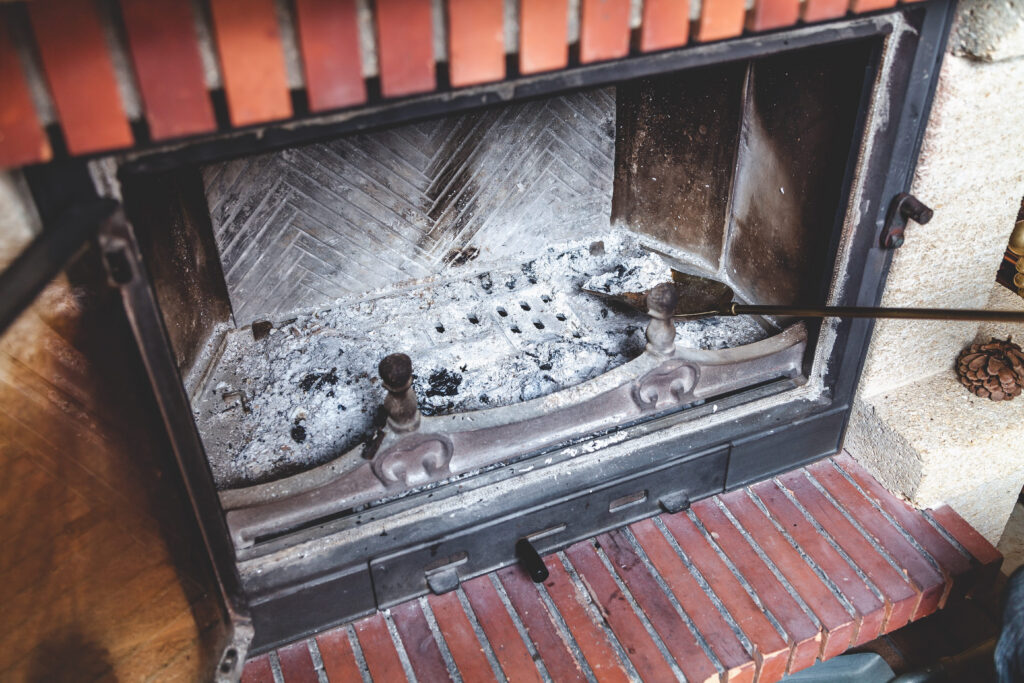
Chimney Cleaning In Ocean County, NJ
The visit at a glance
| Step | What happens | Why it matters |
| Look it over | Check for blockages and liner or flue damage | Catches problems before the brushes go in |
| Prep | Tarps down, fireplace or stove sealed off | Keeps soot off your floors and furniture |
| Sweep | Brushes and rods clear soot and creosote | Creosote is what burns in a chimney fire |
| Vacuum | Ash and debris pulled from firebox and hearth | Leaves the fireplace ready to use |
| Report | You hear about anything unusual | So it gets fixed before it gets worse |
Why bother? Creosote.
Every fire leaves something behind. Smoke cools as it rises, and the stuff in it sticks to the inside of the flue. That buildup is soot and creosote. Creosote burns. Let enough of it collect and a hot fire can light it up inside the chimney.
The Chimney Safety Institute of America, the main certification group for chimney sweeps, says a masonry fireplace should be swept once there’s about 1/8 inch of sooty buildup. Sooner if there’s any glaze, which is the hard, shiny form of creosote. A factory-built fireplace should be swept whenever there’s noticeable buildup.
And the National Fire Protection Association, NFPA 211, says chimneys, fireplaces and vents should be inspected at least once a year. Once a year. Not just when it smells weird.
What we do when we get there
We start by looking. Before any brush goes up the flue, we check for blockages and for damage to the liner or the flue. Bird nests, leaves, a cracked flue tile, whatever’s there.
Then we protect the room. Tarps go down, and we seal off the fireplace or wood stove with special tools. That’s what keeps soot from drifting across your living room. Nobody wants black dust on a beige couch.
Next comes the sweep itself. Brushes and rods scrape the soot and creosote off the inside of the chimney.
Last, the cleanup. High-powered vacuums pull the loose debris and ash out of the firebox and hearth. When we leave, the fireplace is clean and ready.
One thing to know up front. We clean chimneys. We don’t repair them. If we spot something unusual, like a damaged liner or a crack, we’ll tell you right away so you can get it fixed by the right trade before it gets worse.
Getting the house ready
Not much to it. Let the fireplace go cold, with no fire the night before. Move anything breakable off the mantel. Slide furniture back a few feet from the hearth so there’s room to work. Put the dog in another room. That’s it.
Questions worth asking before you book
What’s included? A complete sweep should cover the whole system. CSIA points out that this means the flue and the smoke chamber, not just the firebox you can see.
Do they inspect too? CSIA suggests asking for a Level 1 inspection along with the sweep. That’s a check of the basic soundness of the chimney structure and flue. If a company doesn’t know what a Level 1 inspection is, CSIA says to find one that does.
Buying or selling a house? That’s different. CSIA says a Level 2 inspection, which goes further and includes accessible spaces like attics and basements, is needed when a property is sold or transferred. It’s also called for after a chimney fire, a big storm, or any change to the heating system. If you just moved into an older Ocean County home, ask about that before your first fire.
How do they protect the house? Tarps and a sealed-off fireplace should be the standard answer.
While we’re there
A chimney isn’t the only vent in your house that collects junk. Dryer vents fill up with lint, and lint burns too. Our post How Does Dryer Vent Cleaning Prevent a Fire? explains why. You can book Dryer Vent Cleaning or Air Duct Cleaning on the same visit and get the whole house set before winter. See everything on our Services page.
Frequently asked questions
How often should a chimney be cleaned?
NFPA 211 calls for an inspection at least once a year. CSIA says to sweep a masonry fireplace at about 1/8 inch of sooty buildup, or sooner if there’s any glazed creosote.
Will chimney cleaning make a mess in my house?
It shouldn’t. We put down tarps, seal off the fireplace or stove, and vacuum up the ash and debris from the firebox and hearth.
Do you repair chimneys?
No. We clean them. If we see damage or anything unusual, we tell you right away so it can be fixed.
Do I need a different inspection when buying a home?
CSIA says a Level 2 inspection is required when a property is sold or transferred, and after a chimney fire or a change to the system.
Lighting the first fire soon? JD Family Vent Cleaning works out of Bayville and Toms River across Ocean and Monmouth County. Call 732-608-7506 for a free estimate. Check out our Chimney Cleaning service, our Toms River and Bayville pages, read our Testimonials, or contact us.


