
Dryers cause over 13,000 fires per year. Most of the time, they could have been prevented. Twenty-seven percent were related to lint buildup in dryers. It is important to clean out the dryer vent on occasion, probably at least once a year if not sooner, to get all the lint buildup out of the dryer vent.
This not only makes the dryer more efficient and helps dry clothes faster with less energy, but also helps make sure the dryer vent will not catch on fire. In some extreme cases, dryer lint can build up so badly that it can actually start a fire in the home.
Across the country, nearly 17,000 dryer fires spark every year, killing people and causing injuries and property damage. In this blog, we will discuss this issue in detail.
Cleaning the Lint Filter and Dryer
The first thing to look at is cleaning the lint filter.
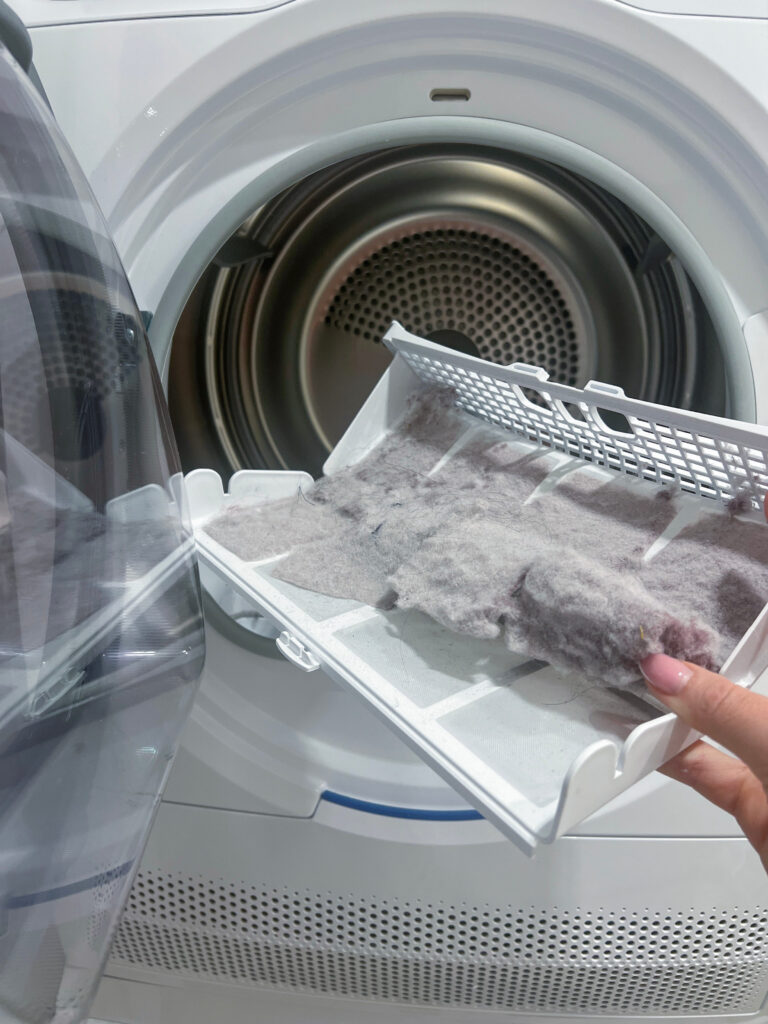
The lint filter is meant to be cleaned after every load, not once a month and not once a week. Cleaning the lint filter helps prevent fires and helps items dry faster.
If there is a heavy wad of lint on the filter, make sure it does not roll off the filter and down into the ductwork below.
Cleaning the Dryer Vent
Dryer Vent Cleaning Prevents Fire
The ductwork should also be cleaned. October is Fire Prevention Month and can serve as a reminder to clean the dryer ductwork.
There are manual brushes that pull through the vent and drill-powered brush systems with rod extensions that allow the brush to run from one end to the other.
A rotary dryer vent cleaning system includes rods that attach to a drill and clean the dryer vent. Kits can include an auger brush, a lint brush, a blockage removal tool, a vacuum adapter for a shop vacuum or blower, and a dryer adapter.
Install the set screw on the auger brush so it does not come loose when attaching additional rods. Make sure the rods are tight. Pliers can be used to tighten them. Electrical tape can also be used as insurance to prevent the rods from coming apart in the duct.
Attach the metal collar to the drill and tighten it down. Use the lowest drill setting if using a clutch-based drill so it does not spin too fast while inside the air duct vent.
If the dryer vent has louvers, bend them carefully in the middle without breaking the ends. Feed one section into the vent at a time. Do not connect several sections before feeding them into the vent because they become difficult to control.
Always rotate the drill clockwise. Never rotate it counterclockwise because the attachments and rods can disconnect inside the vent. Most of the lint can be removed, although some lint may remain.
The remaining lint can be brushed away with the smaller lint brush before putting the louvers back into place.
Dryer Vent Materials
Rigid pipe is recommended for this type of cleaning brush. The brush can still be used on vinyl pipe or aluminum foil pipe, but rigid pipe is preferred. Replacing vinyl or aluminum foil pipe with rigid pipe is recommended whenever possible.
Dryer Fire Prevention
Most people do not associate electric dryers as being the cause of fires, but dryers are responsible for thousands of fires every year. Dryer fires can occur because of overheating. When dryer vents become clogged, they can cause mechanical failures.
Lack of maintenance is often a contributing factor, both from the dryer itself and from failure to clean the vent. Clothes taking a long time to dry may indicate that the vent is clogged.
Other warning signs include a dryer that becomes extra hot, a burning smell near the dryer, and different noises coming from the dryer.
Dryer Safety Tips
Check clothing pockets before every load. Matches, cigarette lighters, gasoline, and other combustible items should not be placed inside the dryer. These items can catch fire or explode inside the dryer.
Check the vent connection behind the dryer. Dryers get moved and washers vibrate. The vent can disconnect and allow lint to build up behind the dryer. Make sure the vent is connected properly.
Check the vent cap where it exits the house. The louvers should open and close properly and seal correctly. If cleaning the vent is not comfortable, professional dryer vent cleaning is available.
How Often Dryer Vent Cleaning Should Be Done
Check and clean the dryer vent annually. Longer dryer vents should be cleaned more often because they do not have the airflow needed to keep lint from collecting.
Mark the calendar as a reminder for dryer vent cleaning and dryer maintenance. People using the dryer should know what belongs in the dryer, what should never be placed inside it, and how often the lint filter should be cleaned.
FAQs
How often should a dryer vent be cleaned?
Check it and clean it annually. If clothes are not drying, that might be an indication that the vent is clogged and should be cleaned more often. Longer dryer vents should be cleaned more often because they collect more lint. The whole duct system should be cleared every 12 to 24 months.
What are the warning signs of a clogged dryer vent?
Clothes take a long time to dry. The dryer gets extra hot. A burning smell near the dryer. Different noises coming from the dryer. Heavy lint buildup and reduced airflow.
How often should the lint filter be cleaned?
The lint filter is meant to be cleaned after every load. This helps prevent fires and helps items dry faster.
Can a clogged dryer vent cause a fire?
Dryer fires can occur because of overheating when dryer vents become clogged. Lint is a lightweight, easily ignitable combustible material. If it is not maintained and cleaned, it can spread to other combustible materials and cause a larger fire than the lint itself.


